The Problem of Limited Self-Awareness in Building Capability
In an era where performance is often the key differentiator between success and stagnation, self-awareness plays a critical role in driving growth. Whether at an individual or organizational level, understanding one’s strengths, weaknesses, and behaviors is essential for building performance capability. However, the challenge of limited self-awareness can obstruct this process, creating blind spots that hinder progress. In this article, we explore how the lack of self-awareness undermines efforts to improve performance and how to overcome this obstacle for sustained growth.
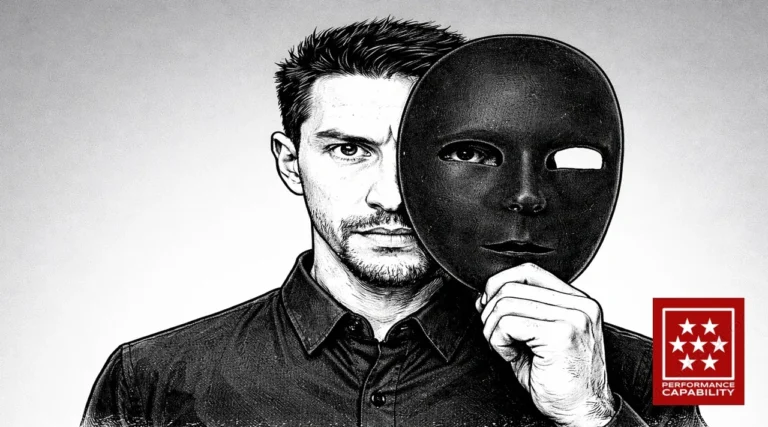
Self-awareness is the ability to introspect and align one’s internal perceptions with external reality. When people lack self-awareness, they struggle to identify their true strengths and weaknesses, leading to overconfidence or self-doubt. This misalignment makes it difficult to accurately assess skill levels or to identify areas for improvement. Additionally, people with limited self-awareness often have behavioral blind spots, making them unaware of habits or patterns that impede their own progress. Whether it’s ineffective communication, resistance to change, or poor time management, these behaviors go unaddressed, preventing growth.
The impact of limited self-awareness on building performance capability is profound. It directly affects goal setting, resource allocation, and decision-making processes. Individuals and teams without a clear sense of their abilities may set goals that are either too easy, leading to stagnation, or too challenging, resulting in frustration and burnout. This imbalance hinders the ability to stretch beyond current capabilities or to pursue meaningful growth. In addition to poorly set goals, misalignment of resources is another problem. When time and energy are focused on reinforcing strengths rather than addressing weaknesses, opportunities for improvement are lost, stifling innovation and performance over time.
A lack of self-awareness also manifests in resistance to feedback, which is critical for growth. People who are unaware of their shortcomings often reject feedback, becoming defensive rather than receptive. This resistance prevents the necessary course corrections that enable individuals and organizations to refine their approaches and reach higher levels of performance. Additionally, without self-awareness, individuals tend to externalize failures, blaming external factors for setbacks instead of taking accountability. This lack of ownership prevents personal and organizational development, as the root causes of problems remain unaddressed.
Poor decision-making is another consequence of limited self-awareness. Individuals who fail to recognize their cognitive biases or emotional influences often make decisions based on flawed assumptions. This can lead to poor outcomes, whether in strategic planning or day-to-day activities, ultimately diminishing performance. In environments where adaptability and growth are crucial, such blind spots can significantly impede progress.
In professional settings, limited self-awareness often leads to leadership failures. Leaders who are unaware of how their style impacts others may unintentionally suppress creativity and initiative within their teams. While they may believe they are promoting collaboration, their actions—such as micromanagement or a lack of trust—can have the opposite effect, reducing morale and productivity. Similarly, limited self-awareness within teams can damage group dynamics. Individuals may fail to recognize how their behavior—whether poor communication, reluctance to collaborate, or ineffective delegation—affects overall performance. Over time, these unchecked behaviors lead to conflict and diminished team cohesion, reducing the group’s ability to perform at its peak.
Limited self-awareness also poses a challenge for talent development within organizations. Employees who are not encouraged to reflect on their growth or recognize their potential may feel unsupported or stagnant in their roles. This stasis inhibits their ability to improve, which in turn limits the organization’s broader performance capability. When companies fail to address this issue, they risk creating an environment where personal and professional growth is stifled.
Overcoming the problem of limited self-awareness is essential for building long-term performance capability. One of the most effective solutions is to cultivate a culture of feedback, where individuals and teams are regularly exposed to constructive insights. A feedback-rich environment enables people to gain a clearer understanding of how others perceive their actions, helping to eliminate blind spots. In addition, encouraging self-reflection is crucial. By prompting individuals to regularly assess their own progress and reflect on their behaviors, organizations can foster greater self-awareness and intentional development. This combination of feedback and reflection creates a virtuous cycle of continuous improvement.
In many cases, external tools can also help individuals develop a more objective understanding of their behaviors. Personality assessments, emotional intelligence tests, and behavioral analyses can provide valuable insights into personal tendencies and areas for improvement. By using these tools alongside feedback and reflection, individuals can develop a more accurate understanding of their strengths and weaknesses, leading to more targeted efforts at building performance capability.
Ultimately, limited self-awareness is a major barrier to performance improvement. Without a clear understanding of where they stand, individuals and organizations are less likely to set realistic goals, allocate resources effectively, or adapt to changing conditions. Overcoming this problem requires a commitment to feedback, self-reflection, and a willingness to embrace continuous learning. With these practices in place, performance capability can be cultivated, driving growth and success over the long term.
Hi and thanks for reading this post. I hope you gained some value from it. Please sign up below and you will join my community for updates and live events. You can also find my main business at: www.performancecapability.com
© Ben Benson