The Importance of Inner Work vs. Outer Work
In the pursuit of achievement, whether personal or professional, it is tempting to focus on external outcomes only—acquiring status, recognition, wealth, or influence. Society often measures success through visible markers of accomplishment, encouraging individuals and organizations alike to prioritize external results over internal development. However, true, sustainable success cannot be built on external work alone. It begins with internal work—the cultivation of character, mindset, skills, and self-awareness. Internal work lays the foundation for external credibility, and without it, external achievements may prove hollow or short-lived. The process of developing inner capability precedes outward recognition, making internal work not just important, but essential for lasting fulfillment.
Defining Inner Work and Outer Work
Before delving into the importance of inner work, it is crucial to define what is meant by “inner” or internal and “outer” or external work. Inner work refers to the ongoing process of self-reflection, personal development, emotional intelligence, and skill-building that happens within an individual or organization. It involves cultivating the qualities, values, and disciplines that are necessary for success but may not be immediately visible to others. This work includes emotional resilience, intellectual growth, ethical grounding, and a clear sense of purpose and a deep understanding of context.
Outer work, on the other hand, encompasses the external actions and outcomes that are outwardly visible—achievements, milestones, accolades, and tangible results. In the business context, outer work could include closing deals, launching products, or gaining market share. In our personal life, it might mean achieving career advancement, acquiring material possessions, or earning social recognition. While outer work is critical for demonstrating success, it is ultimately the result of the internal capabilities and strengths that have been cultivated prior to our external achievements.
The relationship between inner and outer work is not one of opposition, but of sequence and priority. Outer success is most often the byproduct of deep inner work, and when pursued without it, outer work can lead to burnout, unfulfilled goals, or ethical compromises. True credibility—whether in business or personal life—emerges naturally from a foundation of inner capability building.
Inner Work as the Foundation of Effectiveness
At its core, inner work is about building the qualities that sustain external success over the long term. It is the inner development that prepares individuals and organizations to face challenges, adapt to changing circumstances, and thrive in the face of adversity. Without this internal foundation, external accomplishments are fragile and easily undermined by setbacks or crises.
One of the central aspects of inner work is self-awareness. Self-awareness allows individuals to understand their strengths, limitations, motivations, and emotional triggers. It is the key to making conscious choices about how to respond to challenges and opportunities. In the absence of self-awareness, people often act reactively, driven by external pressures or short-term desires, rather than by their deeper values and goals. This can lead to poor decision making, strained relationships, or the pursuit of success that is ultimately unfulfilling.
Internal work also includes the cultivation of emotional resilience. Life and business are fraught with uncertainties, setbacks, and failures. Emotional resilience—the ability to recover and grow from these difficulties—is essential for long-term success. Without resilience, even the smallest failures can feel insurmountable, leading to discouragement or a sense of inadequacy. inner work strengthens resilience by fostering a mindset that embraces challenges as opportunities for growth, rather than threats to one’s sense of worth or identity.
Another key component of inner work is developing a clear sense of purpose. Purpose provides direction and meaning to both personal and professional life. It helps individuals and organizations navigate difficult decisions and prioritize what truly matters. Without a well-defined purpose, external achievements can feel empty or aimless. Purpose ensures that the outer work being pursued aligns with one’s deeper values and aspirations, making success more satisfying and sustainable.
The Pitfalls of Prioritizing Outer Work Without Inner Development
When outer work is prioritized over inner development, the results are often unsustainable and fraught with difficulties. Outer success achieved without a strong inner foundation may bring temporary rewards, but it often leads to burnout, ethical compromises, or dissatisfaction. One of the most common pitfalls of neglecting inner work is the tendency to chase recognition or validation from externally rather than pursuing meaningful goals internally.
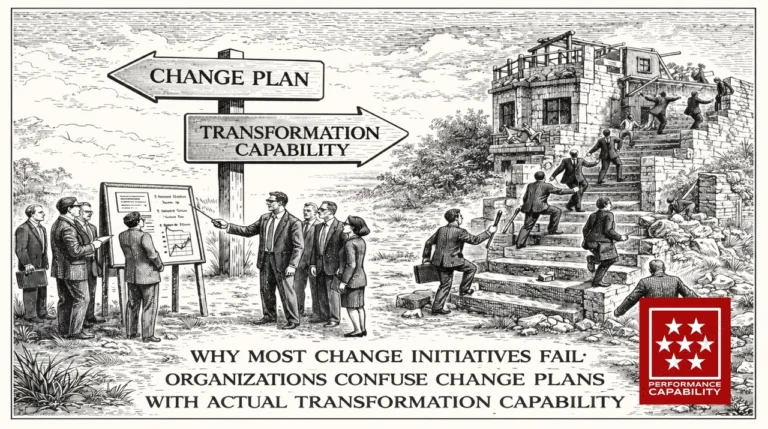
In business, for example, companies that prioritize short-term gains—such as maximizing quarterly profits—without investing in long-term internal capabilities like innovation, leadership development, or company culture may experience temporary success but struggle to adapt to future challenges. These organizations may focus on external metrics of success, such as market share or stock prices, at the expense of building the internal capability, effectiveness and skills necessary to maintain competitiveness over a prolonged period. In fact many companies miss the fact that what they say they want is ‘Performance’ but what they actually need is ‘Capability’ the first being external and the second being internal.
On a personal level, individuals who pursue outer validation—whether through career advancement, material success, or social status—without doing the internal work of self-reflection, emotional development, and ethical grounding often find that their accomplishments leave them feeling empty. Without a strong internal compass, people can easily lose sight of what truly matters, leading to a life that feels disconnected from their authentic selves. The pursuit of outer success, when it becomes an end in itself, can also lead to stress, anxiety, and impostor syndrome.
Ethical compromises are another significant risk when outer work is prioritized over inner development. Without a strong sense of internal values, individuals and organizations may find themselves making decisions based on expediency rather than integrity. This is particularly true in competitive environments, where the pressure to achieve outer success can lead to cutting corners, dishonesty, or exploitation. While such strategies may produce short-term wins, they ultimately undermine credibility and trust, both of which are essential for long-term success.
How Internal Capability Leads to External Credibility
True credibility—whether personal or professional—cannot be manufactured through external appearances or short-term accomplishments alone. They are built on a foundation of internal capability: the skills, values, and qualities that are developed through internal work. External credibility is the visible manifestation of this internal foundation, and it is earned over time through consistent behavior and demonstrated competence.
In business, a company’s credibility is established not just by its products or marketing, but by its ability to deliver on promises, act ethically, and build relationships based on trust. A company that has invested in internal work—whether through developing a strong corporate culture, fostering leadership development, or building robust systems and processes—will naturally gain credibility in the marketplace. Customers, partners, and employees recognize when a business has the internal strength to back up its external claims. This credibility becomes a competitive advantage, attracting loyalty and trust.
Similarly, in personal life, an individual’s credibility is established through the consistent demonstration of character, competence, and integrity. A person who has done the inner work of developing emotional intelligence, self-discipline, and resilience will naturally inspire trust and respect in others. Their external actions—whether in professional or personal settings—will be seen as reliable because they are grounded in internal strengths. This credibility is not something that can be faked; it is the result of genuine internal development.
Furthermore, inner work creates the kind of long-term thinking that is essential for sustained success. External credibility is not built through short-term victories but through a steady, consistent demonstration of capability over time. Individuals and organizations that focus on internal development are better able to weather setbacks and maintain their integrity, which, in turn, strengthens their external reputation.
Balancing Inner Work and Outer Work
While inner work is foundational, outer work is still necessary to translate internal capability into visible success. The key is to strike the right balance between the two. Inner work should always precede outer work, ensuring that the outward efforts are supported by a strong internal foundation. However, inner work should not become an excuse for inaction or endless self-reflection. At some point, the internal growth must be applied to external challenges and goals. (See my other post on managing the AT/AU Balance).
A balanced approach means continually refining internal capabilities while simultaneously engaging in external efforts. For individuals, this might involve ongoing personal development, such as learning new skills or deepening emotional intelligence, while pursuing career goals or personal achievements. For businesses, it means investing in internal systems, leadership, trust and culture programmes, while also focusing on external results such as customer satisfaction, innovation, and profitability.
Ultimately, the most successful people and organizations are those who recognize the interplay of inner and outer work. They understand that external success without internal strength is fleeting, and internal work without external application is selfish. By developing internal capability first, and then translating it into external work, they build a foundation for lasting credibility, fulfillment, and success.
The distinction between inner and outer work is not just philosophical—it is practical and essential for achieving long-term effectiveness. inner work, encompassing self-awareness, emotional resilience, purpose, and personal growth, is the foundation upon which external credibility is built. Without this foundation, outer accomplishments are likely to be unstable or unsustainable. The key to lasting success lies in prioritizing internal development before pursuing external achievements. By cultivating inner capabilities, individuals and organizations can create a solid base from which to generate real, lasting credibility, ensuring that their outer success is not just temporary, but meaningful and enduring.
Hi and thanks for reading this post. I hope you gained some value from it. Please sign up below and you will join my community for updates and live events. You can also find my main business at: www.performancecapability.com
© Ben Benson