Mastering the Context: The Key to Transforming Performance
Change is an inevitable part of life, and the ability to adapt to changing circumstances is a critical skill, whether for personal growth or organizational success. However, the process of change is often misunderstood. Traditional wisdom suggests that changing one’s behavior or attitude is the most effective way to bring about personal or professional improvement. While this approach can lead to incremental gains, truly significant change—transformations that drive deep, lasting impact—requires a more fundamental shift: a change in context. Context shapes our perceptions, influences our behavior, and ultimately determines the success of our actions. To achieve meaningful transformation, we must first understand and master the context within which we operate.
By mastering context, individuals and organizations can unlock their full potential and achieve sustained performance effectiveness.
The Role of Context in Shaping Behavior and Attitude
Context is often an overlooked but powerful force in shaping human behavior and decision-making. It refers to the environment, circumstances, and external conditions that influence how we think, act, and respond. Context includes factors such as the physical environment, social dynamics, cultural norms, organizational structures, and even personal mental states. It provides the backdrop against which all actions and decisions take place, often influencing outcomes more profoundly than individual willpower or effort.
For example, consider the behavior of individuals in different professional environments. A worker in a high-pressure, competitive workplace may exhibit more stress and less collaboration than someone in a more supportive, team-oriented environment. The difference in behavior is not necessarily a result of individual characteristics but a reflection of the differing contexts. Similarly, individuals who change their physical environment—such as moving from a chaotic urban area to a serene rural location—often find that their stress levels, focus, and even creativity shift dramatically.
While people often attempt to change their attitudes through self-help methods or behavioral tweaks, these efforts may be futile or short-lived without altering the underlying context that influences them. Incremental changes, such as adopting a more positive mindset or implementing a new habit, can yield modest improvements, but they will not lead to radical transformation unless the external environment supports and reinforces those changes.
Transactional Change vs. Transformational Change
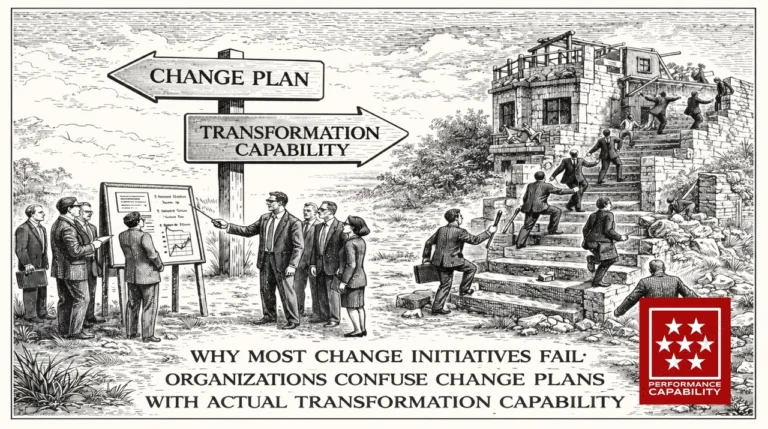
The distinction between transactional and transformational change is crucial for understanding the power of context. transactional change focuses on improving individual aspects of behavior, attitude, or skill. This approach typically involves gradual improvements through self-discipline, motivation, and effort. While this type of change is useful for short-term goals, it often fails to address the larger, systemic factors that impact overall effectiveness.
Transformational change, on the other hand, occurs when the context itself has shifted. When the environment or system is redesigned, individuals are naturally compelled to adjust their behavior, often without conscious effort. For example, a company that shifts from a traditional hierarchical structure to a flatter, more collaborative model will likely see changes in how employees communicate, solve problems, and make decisions. The new context encourages behaviors such as collaboration, innovation, and agility—behaviors that may have been difficult to cultivate in the previous structure.
Similarly, in personal life, an individual who desires to adopt healthier habits may find success by altering their physical environment—such as removing unhealthy food from the home or joining a fitness community. These changes in context make it easier to adopt new behaviors without relying solely on willpower or motivation. The new environment supports and reinforces the desired change.
The Importance of Context in Personal Development
The idea that “if we want to change a situation, we first have to change ourselves” is commonly accepted wisdom. However, the way to change ourselves effectively is through a shift in context. The personal development industry often emphasizes the importance of mindset, motivation, and self-discipline. While these qualities are essential, they are not sufficient in isolation. To sustain change, individuals need to place themselves in contexts that support their growth.
For example, an individual who wants to develop better time-management skills might struggle if they remain in an environment filled with distractions, conflicting priorities, or lack of structure. In contrast, if they change their context—such as by working in a quiet space, using time-blocking techniques, or surrounding themselves with productivity-focused peers—they are far more likely to succeed. The change in context creates conditions that naturally facilitate the desired behavior, making it easier to adopt and maintain.
The same principle applies to personal relationships. Someone who desires to build more meaningful connections with others may need to change their social context—perhaps by engaging in community activities or joining groups that align with their values and interests. These new contexts provide opportunities for deeper connections, fostering the development of behaviors and attitudes that support personal growth and fulfillment.
Context as a Lever for Organizational Change
In organizational settings, the importance of context is equally, if not more, pronounced. Many companies invest heavily in training programs aimed at improving employee skills, behaviors, and attitudes. However, without addressing the organizational context—such as leadership style, company culture, or incentive structures—these programs often fall short of achieving their intended results.
For example, a company may implement a leadership development program to encourage more innovative thinking among its employees. However, if the organization’s culture is risk-averse and punishes failure, employees will be hesitant to embrace innovation, regardless of the training they receive. To foster true innovation, the organization must change the context—by promoting a culture that rewards experimentation, accepts failure as part of the learning process, and encourages diverse perspectives. Only when the context supports innovation will the desired behaviors follow.
Moreover, organizational structures play a critical role in shaping context. Hierarchical organizations often stifle collaboration, while flatter structures promote it. Leaders who wish to improve team collaboration must not only provide training but also ensure that the organizational context—such as communication channels, decision-making processes, and team dynamics—supports collaborative behavior. By changing the context, organizations can create conditions that naturally lead to improved performance and effectiveness.
Mastering Context for Sustained Performance Effectiveness
Mastering context is the key to achieving sustained performance effectiveness, both for individuals and organizations. The process begins with identifying the current context and understanding how it influences behavior. Once the underlying context is clear, it can be adjusted or redesigned to support the desired changes.
At the personal level, this might involve altering one’s physical environment, changing social circles, or adopting new routines that promote growth. At the organizational level, it may require restructuring teams, revising cultural norms, or implementing new policies that align with strategic objectives.
By focusing on context, individuals and organizations can create environments that naturally support the behaviors and attitudes necessary for success. Rather than relying on continuous effort to maintain change, the new context becomes a self-reinforcing system, making it easier to achieve and sustain high levels of performance.
The most significant and lasting changes come not from sheer willpower or incremental improvements in behavior but from a fundamental shift in context. Context shapes behavior, attitude, and outcomes in profound ways, often exerting a more powerful influence than individual effort alone. By mastering context, individuals and organizations can unlock new levels of performance and effectiveness, creating environments that support sustained growth and success.
In both personal and professional realms, the key to meaningful transformation lies not in changing oneself but in changing the context that then changes you.
Hi and thanks for reading this post. I hope you gained some value from it. Please sign up below and you will join my community for updates and live events. You can also find my main business at: www.performancecapability.com
© Ben Benson