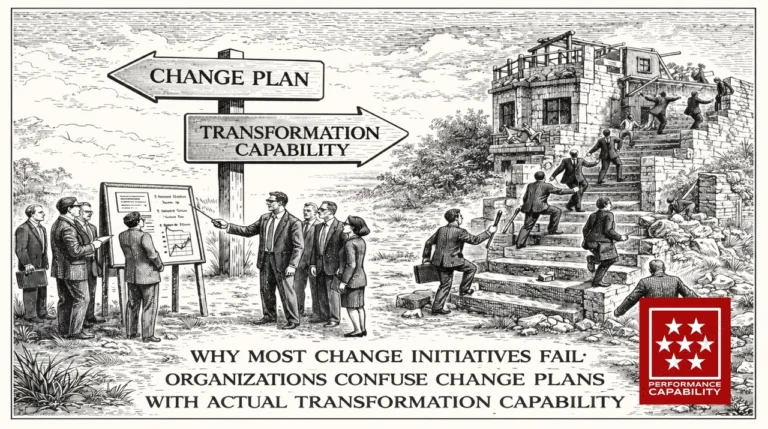
How to Focus on What Drives Business Results
In business, the pressure to deliver results is constant. We are measured by metrics—quarterly revenues, market share, growth figures—so it’s no wonder the focus on outcomes can feel overwhelming. Success is often defined by the numbers, the visible achievements that mark progress. But in this relentless pursuit of results, it’s easy to lose sight of the processes that drive those outcomes.
The obsession with end goals can be dangerous. When we focus solely on outcomes, we risk missing what actually leads to success: the quality of the work, the strategic choices, and the everyday decisions that form the foundation of long-term achievement. Outcomes are often influenced by factors beyond our control—market shifts, competitive moves, economic downturns—yet the process, the way we approach our work, is something we can always control.
When we turn our attention to process, we shift from a results-driven mindset to one that values consistent effort and high standards in execution. The process is where innovation happens. It’s where teams collaborate, where insights emerge, and where problems are solved. In business, process means refining operations, improving systems, and making strategic adjustments. Focusing on the process allows companies to develop resilience because the emphasis is on doing the right work, regardless of short-term outcomes.
Process-driven organizations tend to outperform because they understand that excellence in execution naturally leads to better results over time. The focus on doing things well, on improving every step along the way, creates a culture of continuous improvement. When businesses commit to the process, they are investing in their own long-term success. They build the capability to adapt, learn, and evolve, which ultimately enhances performance.
That’s not to say outcomes don’t matter. They are critical in measuring progress, setting direction, and keeping companies accountable. But the key is understanding that outcomes are a reflection of how well the process is managed. Detaching from the outcome means shifting from a fixation on the result to a commitment to excellence in execution. In doing so, the pressure of hitting a specific number or achieving a particular milestone becomes less suffocating. Teams can focus on their work with more creativity and less fear of failure, knowing that success will follow if they consistently do the right things.
This mindset shift also opens up new opportunities for innovation and strategic thinking. When leaders and teams are less driven by short-term results, they feel freer to experiment, take calculated risks, and explore different approaches. The anxiety of whether an initiative will deliver the desired result is replaced by the curiosity of discovering what might be possible. This is often where breakthroughs happen—not when teams are fixated on outcomes, but when they are fully engaged in the process of solving a problem or developing a new strategy.
Moreover, a focus on process creates a healthier, more sustainable work environment. When the only measure of success is the result, stress levels rise, and burnout becomes more likely. In contrast, when businesses foster a culture that values the process, employees find fulfillment in the work itself. They become more engaged and motivated because their efforts are recognized, not just the end results. This leads to better retention, higher morale, and a stronger commitment to organizational goals.
By making the process the priority, companies also gain the flexibility to navigate uncertainty. Markets change, consumer preferences shift, and competition intensifies. But organizations that have mastered their processes are better equipped to pivot when needed. They are agile, able to adjust their strategies without losing sight of the quality and consistency of their execution.
In the end, outcomes are a natural by-product of mastering the process. The best organizations understand that success is built over time, through diligent, thoughtful work. By focusing on the process, businesses position themselves for long-term success, because they are less reactive and more strategic. The more a company invests in refining how it operates, the more confident it can be that the right outcomes will follow, without the need for constant anxiety over results.
By letting go of a strict attachment to outcomes and turning attention toward process, companies unlock their true potential. They create a culture of excellence, where the work itself becomes a source of pride and accomplishment. Outcomes, though important, will take care of themselves when the process is done right. And in that lies the real competitive advantage.
Hi and thanks for reading this post. I hope you gained some value from it. Please sign up below and you will join my community for updates and live events. You can also find my main business at: www.performancecapability.com
© Ben Benson