Intentions vs. Actions: Making and Keeping Commitments
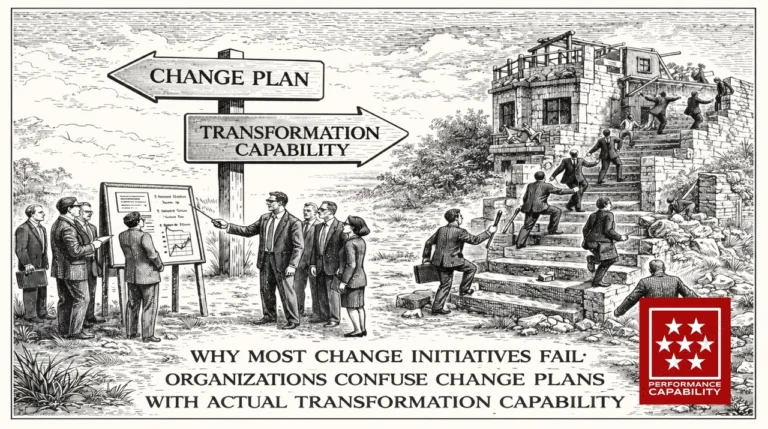
The AT/AU balance—the gap between what we intend to do (Approach in Theory, AT) and what we actually do (Approach in Use, AU)—has a profound effect on our ability to make and keep commitments. Commitments are promises or obligations that we make to ourselves or others, often based on well-meaning intentions. In theory, we aim to follow through on these commitments, believing we will have the time, energy, or motivation to meet them. However, in practice, the reality of life, with its emotional, social, and logistical complexities, can interfere with our ability to fulfill those promises.
When we make a commitment, the Approach in Theory is often rooted in our desire to be reliable, trustworthy, and consistent. We envision ourselves following through because, in that moment, the commitment feels achievable. Whether it’s promising to finish a project by a certain deadline, to exercise regularly, or to be more present in relationships, the intention behind the commitment aligns with our values and aspirations. This theoretical approach is usually optimistic, based on how we want to see ourselves and how we want others to perceive us.
However, when it comes time to actually fulfill those commitments, the Approach in Use can deviate from those initial intentions. Life rarely unfolds as predictably as we imagine when making promises. Stress, competing priorities, emotional fatigue, or unforeseen challenges can make it difficult to meet our obligations. For instance, someone who commits to exercising daily may start off with enthusiasm, but when faced with long work hours or unexpected family issues, they might struggle to maintain that routine. Despite the best intentions, real-world circumstances often make it harder to act in line with the theoretical plan.
This gap between intention and action also affects our relationships. When we commit to spending more time with family or friends, the Approach in Theory is filled with sincerity and good intentions. Yet, when confronted with the demands of work, personal stress, or other obligations, our actual behavior may not align with that promise. This disconnect can lead to feelings of disappointment, both in ourselves and in the people we let down, straining trust and reliability.
The challenge lies in managing this AT/AU balance. When there is a large gap between what we intend to do and what we actually do, our credibility can suffer. If we continually fail to keep commitments, others may begin to see us as unreliable, even if our intentions were genuine. Over time, this can erode trust in personal and professional relationships. It can also impact our self-esteem, as we start to view ourselves as incapable of following through on promises, leading to feelings of guilt or frustration.
Conversely, people who manage the AT/AU balance well—those who are realistic about their abilities and circumstances—tend to make fewer, more thoughtful commitments. They recognize that the theoretical approach must account for practical limitations. They might hesitate to overpromise because they understand the challenges of following through in real-life conditions. By aligning their intentions more closely with what they know they can reasonably accomplish, they are better able to keep their commitments, building a reputation for reliability and consistency.
In summary, the AT/AU balance affects commitment by revealing the often-overlooked gap between our idealized plans and the realities of life. The more aware we are of this gap, the more effectively we can manage our commitments, ensuring that what we promise is something we can realistically deliver.
Hi and thanks for reading this post. I hope you gained some value from it. Please sign up below and you will join my community for updates and live events. You can also find my main business at: www.performancecapability.com
© Ben Benson