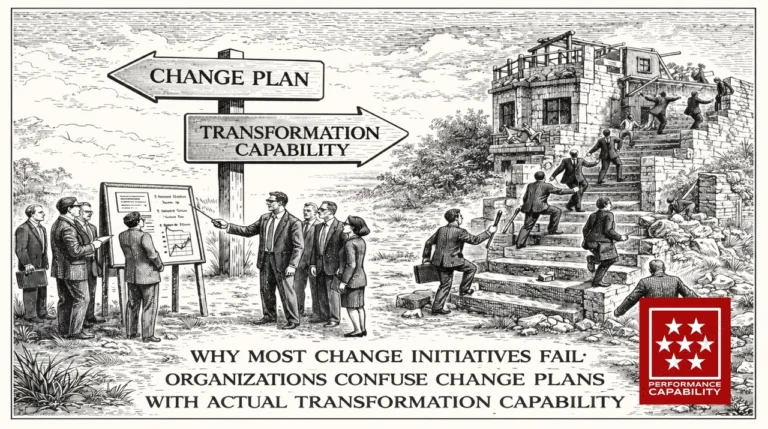
The Capability Gap and Managing the AT/AU Balance
The AT/AU balance—the contrast between how we believe or intend to act and how we actually behave in practice—is a dynamic force in human interactions. This balance, which involves the Approach in Theory (AT) and Approach in Use (AU), is crucial for understanding the complexities of communication, leadership, conflict resolution, and emotional intelligence. It reflects the gap between our idealized intentions and the reality of our behaviors when faced with emotions, external pressures, or unpredictable situations.
The Nature of AT and AU
The Approach in Theory (AT) refers to the idealized way we believe we should interact with others. It includes our intentions, plans, and the values we wish to uphold in our social interactions. These ideals are shaped by our understanding of social norms, our personal principles, and even learned behaviors from past experiences. In theory, we often imagine ourselves as calm, composed, and empathetic, following a structured approach to solving conflicts, giving feedback, or communicating effectively. For example, in theory, one might aim to resolve a workplace dispute through careful listening and rational discussion, believing that mutual respect will yield a positive outcome.
In contrast, the Approach in Use (AU) is how we actually behave in real-life interactions. When faced with emotional tension, stress, time constraints, or unexpected challenges, our idealized approach often falters. Instead of the calm, rational behavior we intended, our responses might reflect frustration, defensiveness, or impatience. This divergence can be attributed to the pressures of real-world conditions—emotional reactions, cognitive biases, or social dynamics—that we didn’t account for in our theoretical plans. For instance, while intending to maintain calm in a discussion, someone might instead become defensive or argumentative when their emotions take over.
The Importance of the AT/AU Balance
The balance between AT and AU is critical because it highlights the gap between our aspirations and reality. This gap is inevitable, but understanding it can help us improve self-awareness and emotional intelligence. When we recognize that our actions do not always align with our intentions, we can better manage our emotions and reactions, fostering more productive and authentic relationships.
Over-reliance on theoretical approaches without accounting for the unpredictability of human interactions can lead to frustration and ineffective communication. For example, leaders who focus too rigidly on their theoretical ideals of management without adjusting to the needs and emotions of their team may struggle to connect with employees. Similarly, in personal relationships, individuals may expect conversations or conflicts to unfold smoothly based on their theoretical approach, only to be derailed by real-world emotions and misunderstandings.
On the other hand, if we abandon theory altogether and rely solely on in-the-moment reactions, our behaviors can become inconsistent, reactive, or even destructive. Without the guiding principles of our theoretical approach, we might fall into patterns of impulsive decision-making or emotional outbursts, leading to strained relationships and missed opportunities for growth.
Examples of the AT/AU Balance in Action
Consider a scenario in leadership. A manager, in theory, believes in providing constructive feedback to their team in a supportive manner. This involves carefully crafting their feedback to promote growth and confidence. However, after a stressful day at work, the manager may find themselves delivering feedback hurriedly or with a harsher tone than intended. This divergence between theory and practice can lead to misunderstandings or resentment, as the team member might perceive the feedback as overly critical rather than constructive.
In personal relationships, the gap between AT and AU is often evident during conflicts. A person might intend to approach a disagreement with a partner calmly, aiming to listen carefully and resolve the issue collaboratively. However, in the heat of the moment, emotions like frustration or anger can lead to defensive behavior, interrupting the partner or even raising their voice—far from the composed, rational approach they had envisioned.
Public speaking is another common area where this balance comes into play. A speaker might prepare extensively, rehearsing a clear, confident speech with plans to engage the audience. However, once on stage, nerves or anxiety may cause them to speak too quickly, lose focus, or avoid eye contact. Despite their preparation and theoretical approach, the reality of the moment changes how they perform.
Bridging the Gap Between AT and AU
Recognizing the inevitable gap between AT and AU is the first step toward personal growth and improving human interactions. By increasing our awareness of the factors that cause our behavior to diverge from our intentions, we can better manage our emotional responses and actions. This involves cultivating self-awareness, reflecting on our behavior after interactions, and understanding when and why we tend to fall short of our idealized approach.
For example, after an argument where someone reacted emotionally rather than rationally, reflecting on what triggered that response can help in future interactions. With increased emotional intelligence, it becomes easier to pause and recalibrate in the moment, ensuring that our actions align more closely with our intentions.
Preparation and practice can also help minimize the gap. Anticipating challenging situations and rehearsing responses can reduce the likelihood of emotional hijacking. For instance, leaders can role-play difficult conversations to ensure they remain composed, or public speakers can practice handling nerves through visualization techniques.
Finally, seeking feedback from others can provide valuable insight into how closely our behaviors match our intentions. By recognizing our blind spots and patterns of behavior, we can adjust our approach in future interactions, better managing the tension between theory and practice.
Conclusion
The AT/AU balance in human interactions is a powerful framework for understanding the gap between how we intend to act and how we behave in reality. While theory provides us with ideals and plans for communication, leadership, and relationships, practice often challenges these ideals, influenced by emotions, external pressures, and real-world complexities. Acknowledging and working to bridge this gap is essential for self-awareness, emotional intelligence, and more authentic human connections. By understanding the AT/AU balance, we can improve our interactions, make better decisions, and build stronger relationships that reflect both our values and the reality of human behavior.
Hi and thanks for reading this post. I hope you gained some value from it. Please sign up below and you will join my community for updates and live events. You can also find my main business at: www.performancecapability.com
© Ben Benson