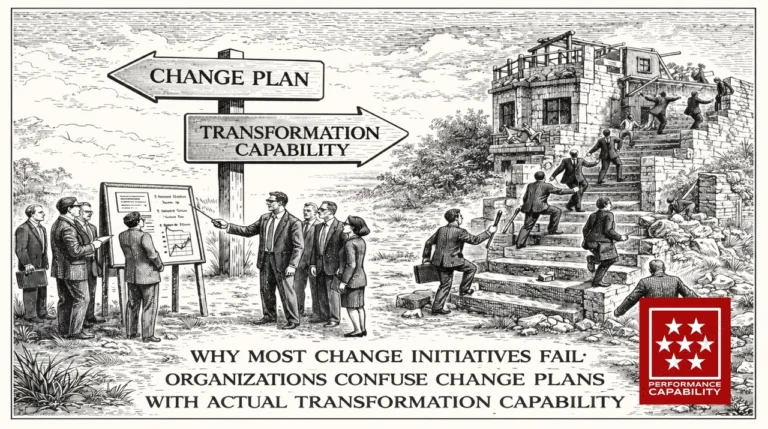
Finding Balance Between Approach in Theory and Approach in Use
In both business and life, success often hinges on our ability to balance two important elements: “Approach in Theory” (AT) and “Approach in Use” (AU). These two approaches represent the spectrum between planning and execution, between thinking and doing, and between theory and practice. Much like a seesaw, the balance between AT and AU is crucial—lean too heavily on one side, and the entire system becomes unstable, leading to inefficiency, stagnation, or failure. To navigate the complexities of decision-making, problem-solving, and personal growth, it is essential to understand and maintain the balance between these two forces.
The concept of the AT/AU balance is especially relevant in today’s fast-paced world, where we are constantly required to think strategically (AT) while also implementing those strategies effectively (AU). When the seesaw tips too far in one direction—whether favoring theoretical approaches without enough practical application, or jumping into action without adequate strategic thinking—the results can be damaging. A delicate equilibrium must be maintained to ensure that ideas are grounded in reality and that actions are informed by thoughtful planning.
Defining Approach in Theory (AT) and Approach in Use (AU)
Before examining the importance of the AT/AU balance, it is critical to define the two sides of the equation.
Approach in Theory (AT) refers to the process of conceptualizing, planning, and strategizing before taking action. It involves high-level thinking, analysis, and foresight, with an emphasis on developing models, frameworks, and plans that are intended to guide decision-making. In business, AT might include strategic planning, research, or financial modeling. In personal life, it could involve setting long-term goals, designing life plans, or reflecting on one’s values and ambitions. AT is about ensuring that actions are purposeful and well thought out, grounded in a solid intellectual foundation.
Approach in Use (AU), on the other hand, is the practical implementation of those theories and plans. It involves real-world actions, adjustments, and execution. AU is where the rubber meets the road, where ideas are put into practice and tested against reality. In business, AU includes day-to-day operations, project execution, and decision-making in the face of immediate challenges. In personal life, AU involves acting on one’s goals and making real-time adjustments based on lived experience.
The challenge lies in understanding that both approaches have their place, and neither can function effectively without the other. Theory without practice is often impractical, while practice without theory risks being aimless. The key to success in both business and life lies in striking the right balance between AT and AU.
The Seesaw of AT and AU: Achieving Balance
Imagine a seesaw, where Approach in Theory (AT) is on one side and Approach in Use (AU) is on the other. For the system to be in equilibrium, both sides must be in harmony, constantly adjusting to the needs of the moment while maintaining an overall balance. Too much weight on one side causes the seesaw to tip, leading to instability and ineffective outcomes.
When the balance is achieved, theory informs practice, and practice refines theory. This dynamic interplay creates a feedback loop where ideas are tested, adapted, and improved through real-world experience, while actions are guided by thoughtful planning and foresight. This balance ensures that decisions are both informed and actionable, blending foresight with flexibility.
What Happens When There Is Too Much Approach in Theory (AT)
When the seesaw tips too heavily toward Approach in Theory (AT), individuals and organizations find themselves caught in a cycle of overthinking and analysis paralysis. In this state, there is a tendency to prioritize planning and strategizing to the detriment of actual implementation. Ideas become more refined, but they never leave the drawing board.
In business, an excess of AT manifests in endless meetings, overanalysis of data, or the constant refinement of plans without moving into execution. Companies may spend so much time forecasting future trends, modeling potential outcomes, or designing perfect systems that they never take the necessary steps to move forward. While careful planning is essential, over-reliance on AT can lead to stagnation, missed opportunities, and a failure to adapt to rapidly changing circumstances.
The cost of over-prioritizing AT is often high in competitive environments. Competitors who are more action-oriented (AU) may seize opportunities while the AT-heavy company is still in the planning phase. Moreover, excessive focus on theory can create an illusion of control, where the belief that more data or a better plan will lead to success causes a delay in decision-making and implementation. In personal life, this imbalance manifests as constant goal-setting or self-reflection without any meaningful action toward achieving those goals. Individuals may spend too much time contemplating their next move, paralyzed by the fear of making the wrong choice, which leads to inaction or perpetual indecision.
What Happens When There Is Too Much Approach in Use (AU)
Conversely, when the seesaw tilts too far toward Approach in Use (AU), individuals and organizations may become overly reactive, focusing on action at the expense of strategy. This imbalance leads to a pattern of activity without direction, where tasks are completed, and decisions are made without a clear overarching plan. While AU encourages adaptability and responsiveness, too much of it results in short-sightedness and a lack of cohesive strategy.
In business, this manifests in constant firefighting—reacting to problems as they arise without ever addressing their root causes. Companies that over-emphasize AU may launch products, services, or initiatives hastily, without proper research or strategic alignment. The result can be wasted resources, misaligned efforts, and a failure to achieve long-term goals. While action is essential, hasty decisions made without proper consideration can lead to costly mistakes that could have been avoided with more thoughtful planning (AT).
In personal life, an excess of AU leads to a life filled with busyness but lacking purpose. Individuals may take on countless activities, projects, or responsibilities, but without a clear sense of direction or reflection on their deeper goals and values. This imbalance can lead to burnout, frustration, and a feeling that despite constant action, little real progress is being made. Without the guiding influence of AT, life can feel like a series of disconnected tasks rather than a purposeful journey.
Finding the Right Balance Between AT and AU
Achieving balance on the AT/AU seesaw requires a conscious effort to blend strategic thinking with practical action. The key is to recognize that neither AT nor AU can stand alone—each informs and enhances the other. Here are several strategies for maintaining equilibrium:
- Strategic Planning Followed by Action: Start with a clear strategic vision (AT) but move quickly into execution (AU). Avoid getting stuck in endless planning by setting concrete milestones or deadlines that push theory into practice. For example, in business, after developing a high-level strategy, set specific, actionable goals that require teams to begin implementing the plan. In personal life, after setting goals, take immediate, tangible steps toward achieving them, even if they are small.
- Feedback Loops: Build mechanisms for feedback between AT and AU. After taking action (AU), return to the planning phase (AT) to reflect on what worked and what didn’t, and refine your approach accordingly. This creates a continuous cycle of learning, where theory is constantly informed by practice and vice versa.
- Adaptability: Ensure that both your theoretical framework (AT) and your actions (AU) are adaptable. In business, this means building flexibility into your strategy, allowing room for real-time adjustments based on market conditions or new information. In personal life, it means staying open to changing your approach based on your lived experiences and evolving goals.
- Avoid Overcommitment: Be mindful of the tendency to overcommit to either AT or AU. Recognize when you are spending too much time thinking without doing, or when you are acting without thinking. Regular self-reflection and organizational reviews can help recalibrate this balance.
- Collaborative Balance: In team settings, recognize the different strengths individuals bring to the table. Some people naturally lean toward AT (the planners and strategists), while others excel at AU (the doers and implementers). By fostering collaboration between these two types of individuals, businesses and teams can maintain a healthy AT/AU balance, ensuring that plans are both thoughtful and actionable.
The Benefits of a Balanced Approach
When a balance between Approach in Theory and Approach in Use is achieved, the results can be transformative, both in business and personal life. In business, this balance ensures that decisions are informed by data, analysis, and foresight, but are also grounded in real-world execution and adaptability. Companies that strike this balance are better positioned to innovate, respond to market shifts, and deliver consistent results over the long term. They are able to execute well while staying true to their strategic goals, avoiding the pitfalls of reactive short-term thinking or analysis paralysis.
In personal life, finding the AT/AU balance brings a sense of fulfillment and purpose. Individuals who plan thoughtfully but also take meaningful action are able to make consistent progress toward their goals. They are neither overwhelmed by the endless possibilities of the future nor trapped in the busyness of day-to-day tasks. Instead, they live with a sense of direction, purpose, and accomplishment, knowing that their actions are aligned with their deeper values and aspirations.
Conclusion
The balance between Approach in Theory (AT) and Approach in Use (AU) is a fundamental aspect of success in both business and life. Like a seesaw, it requires constant attention and adjustment to maintain equilibrium. Too much AT leads to overthinking and inaction, while too much AU results in short-sighted decisions and a lack of strategic direction. The key is to blend the two approaches in a way that allows theory to inform practice and practice to refine theory.
By maintaining this balance, individuals and organizations can achieve sustainable success, where actions are both purposeful and adaptable. The AT/AU balance is not just a theoretical construct—it is a practical guide for navigating the complexities of life and business, ensuring that ideas are grounded in reality and actions are aligned with a thoughtful, strategic vision.
Hi and thanks for reading this post. I hope you gained some value from it. Please sign up below and you will join my community for updates and live events. You can also find my main business at: www.performancecapability.com
© Ben Benson