Understanding the Difference Between Means and Ends
In the pursuit of goals, both personal and professional, human beings often engage in a complex dance between means and ends. The distinction between the two has been a cornerstone of ethical, philosophical, and practical thought for centuries. However, this distinction is more than a semantic or abstract question—it reflects deeply on our moral judgments, strategic decisions, and the ultimate value of our actions. Understanding the difference between means and ends is essential for navigating a world fraught with ethical dilemmas and competing interests. When we lose sight of this distinction, we risk not only moral failure but the distortion of our purpose.
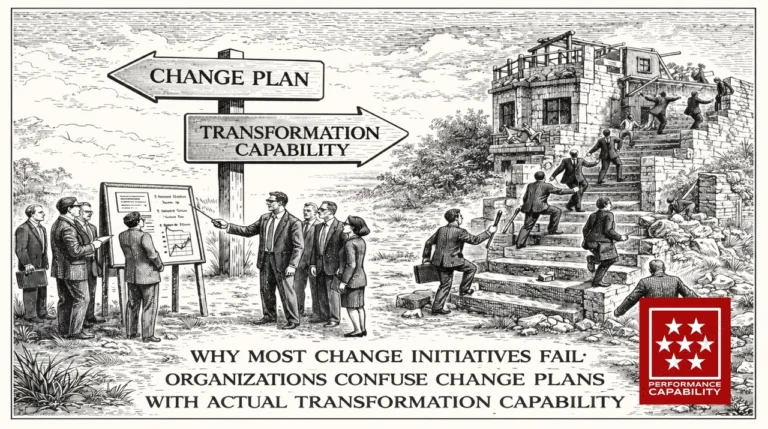
At the heart of the distinction between means and ends is a simple notion: means are the methods or tools used to achieve a particular outcome, while ends are the desired objective or goals. However, this clarity in definition can obscure the complexities that arise when we attempt to apply these concepts to real-world scenarios.
Means are instrumental—they are valuable not in themselves but for their ability to bring about an end. For instance, acquiring knowledge can be seen as a means to obtain a degree, which in turn may serve as a means to a professional career. The end in this sequence—personal fulfillment, financial stability, or societal contribution—gives value to the means. In contrast, ends possess intrinsic value; they represent the ultimate objectives that justify our actions and efforts.
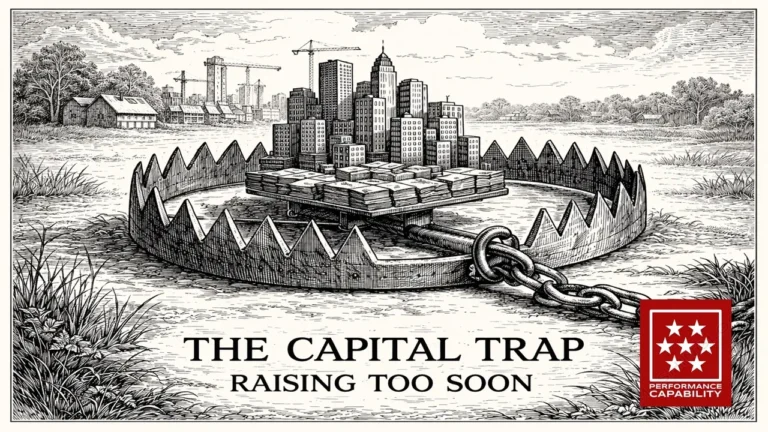
However, the line between means and ends can blur. Means may become ends in themselves when their pursuit overrides the original goal. Consider wealth, which is often a means to secure comfort or opportunities. Yet for many, the accumulation of wealth becomes an end, altering the ethical landscape of their actions. Herein lies one of the great challenges of human decision-making: balancing the instrumental role of means with the intrinsic value of ends.
Ethical Considerations: Does the End Justify the Means?
One of the most significant debates surrounding means and ends is encapsulated in the age-old question: does the end justify the means? This debate highlights the tension between consequentialist and deontological ethical frameworks. A consequentialist perspective argues that the morality of an action is determined by its outcome. If the end is good, then the means, no matter how morally questionable, can be justified. On the other hand, a deontological view asserts that certain actions are inherently right or wrong, regardless of their consequences.
For example, imagine a situation in which a government must choose between infringing on individual privacy rights to prevent a potential terrorist attack. A consequentialist might argue that sacrificing privacy is a necessary means to achieve the greater end of public safety. Conversely, a deontologist might claim that violating privacy rights is unethical, regardless of the safety that may result. The conflict between these viewpoints is not easily resolved, as it speaks to our deeper values about human dignity, rights, and the role of individual responsibility in societal progress.
The risk of over-prioritizing ends is that it can justify harmful or immoral actions in the name of a “greater good.” This is evident in many historical atrocities, where noble or desirable ends—such as national security, social order, or religious salvation—were used to rationalize violence, oppression, or corruption. When the end becomes an obsession, the moral scrutiny of means often fades, leaving a trail of destruction that undermines the very values that were supposedly being pursued.
The Intrinsic and Instrumental Value of Ends and Means
In discerning between means and ends, it is crucial to recognize the nature of value. Some ends are pursued for their intrinsic worth—happiness, peace, or justice, for example—while others have instrumental value, serving as stepping stones to more fundamental ends. But even means can possess intrinsic value if they align with ethical principles. For instance, honesty in communication is typically viewed as a moral good, independent of the outcomes it produces. Similarly, education, though often pursued as a means to professional advancement, carries its own intrinsic value in the development of character and intellect.
The relationship between means and ends is not always linear. Consider the example of a society striving for equality. The means to achieve equality—policy reforms, education, activism—are not just pathways to an end but can themselves embody the principles of fairness, inclusion, and justice. In this way, the means are an extension of the ends, rather than mere tools. This convergence of means and ends is where moral action finds its highest form, where the processes we engage in reflect the ideals we wish to realize.
The Consequences of Confusing Means and Ends
Confusing means for ends can have far-reaching consequences. In the realm of economics, for example, profit is often seen as the end goal of businesses, but when profit becomes an end in itself, it can lead to unethical practices, exploitation, and environmental degradation. Originally, profit was intended as a means to sustain and grow enterprises, to provide livelihoods, and to create value for society. When this purpose is lost, profit as an end can justify the exploitation of workers, the destruction of ecosystems, or the erosion of trust between businesses and consumers.
Likewise, in personal life, the confusion of means and ends can lead to disillusionment and a sense of purposelessness. Take the pursuit of academic or professional success, which is often seen as a means to personal fulfillment. However, when the pursuit becomes obsessive, success itself becomes an end, leading to burnout, compromised relationships, and a hollow sense of achievement. The original purpose—well-being, happiness, contribution—becomes obscured by the relentless chase for the next accolade or promotion.
The challenge, then, is to remain vigilant in aligning our means with our ultimate ends and to ensure that the ends we pursue are worthy of the means we employ.
Means, Ends, and Human Progress
The ultimate aim of understanding the distinction between means and ends is to foster human progress. Human progress—both at the individual and societal level—requires that we thoughtfully consider not just what we want to achieve, but how we achieve it. This requires a constant balancing act: recognizing that while ends guide our direction, the means shape the path we walk.
In a world increasingly driven by efficiency, results, and productivity, it is tempting to focus exclusively on ends. However, this neglects the profound impact that means have on the quality of our lives, the health of our communities, and the sustainability of our societies. A just society is not built solely on good intentions or noble goals; it is constructed through just means—honesty, fairness, compassion, and respect for human dignity.
The distinction between means and ends is more than a philosophical question—it is a practical and ethical imperative. When we confuse or blur the lines between them, we risk compromising our moral compass and the integrity of our actions. Conversely, when we thoughtfully distinguish between means and ends, we are better equipped to make decisions that are not only effective but also ethical. Ultimately, a deep understanding of this distinction is essential for living a life of purpose and integrity, where both the journey and the destination reflect our highest ideals.
Hi and thanks for reading this post. I hope you gained some value from it. Please sign up below and you will join my community for updates and live events. You can also find my main business at: www.performancecapability.com
© Ben Benson