Entrepreneurship
The PC Framework applied to specific contexts — leadership, sport, relationships, entrepreneurship, and the patterns that produce performance in all of them. By Ben Benson.
How Loving Your Idea Can Blind You to Market Reality
Entrepreneurship is often fueled by passion—a deep love for an idea or vision. This passion is vital, as it drives founders to push through obstacles, work…
How Overlooked Markets Can Lead to Massive Success
In the fast-paced world of entrepreneurship, many founders are drawn to shiny, trending industries or markets with obvious potential. However, some of the most successful entrepreneurs…
Why Being an Industry Outsider can Give You a Competitive Edge
In entrepreneurship, there’s a common belief that the most successful founders are those with deep, industry-specific knowledge and years of experience in their field. While expertise…
The Acid Test of Leadership
Leadership is often associated with titles, positions of power, and formal authority. Many leaders derive their influence from the roles they hold—whether as CEOs, managers, or…
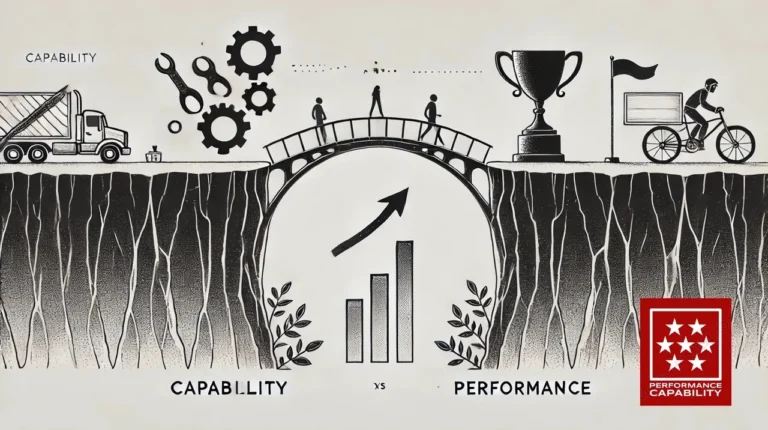
Bridging the Divide Between Performance and Capability
In the modern business landscape, organizations and individuals are often laser-focused on achieving performance—measurable results like increased sales, profitability, market share, or growth. Performance is the visible…
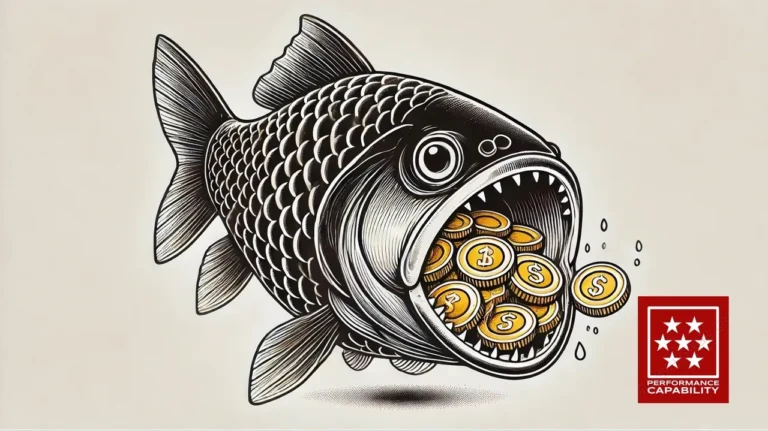
A Parable of Performance Capability; The Fish & Gold Coins
Once upon a time, in a quiet village nestled by a river, there lived a humble fisherman. Every day, he cast his net into the water,…

The Power of Resolve: How Deeper Commitment Simplifies Execution
The path to success is often perceived as complex, requiring intricate strategies, careful planning, and relentless effort. However, a profound truth exists that cuts through this…
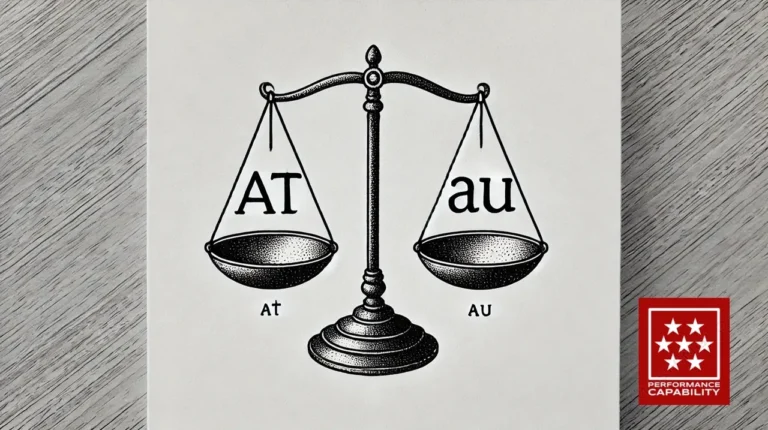
Finding Balance Between Approach in Theory and Approach in Use
In both business and life, success often hinges on our ability to balance two important elements: “Approach in Theory” (AT) and “Approach in Use” (AU). These…
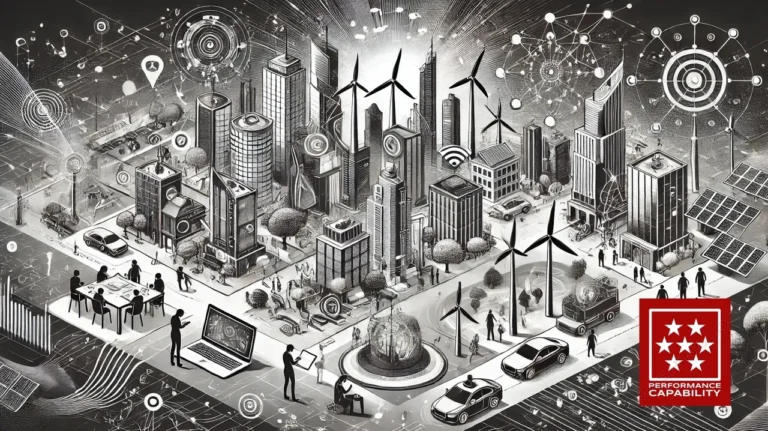
Resourcefulness and the New Economy
In the new economy only three employees will be required to run a successful company. a man, a dog, and a computer. The man will be…