The Dynamics of Parent-Child Relationships
The relationship between children and their parents or primary caregivers is one of the most significant influences on early development. Central to this relationship is the child’s innate drive to seek approval and love, a foundational aspect of their emotional and psychological well-being. This dynamic is essential for fostering a sense of security, as children rely on these figures to navigate the complexities of their environment. However, the interplay of a child’s need for acceptance and a caregiver’s expectations often introduces nuanced challenges that can shape the child’s behavior and identity over time.
Seeking Approval and the Foundation of Psychological Safety
Children are biologically wired to form secure attachments with their caregivers, a bond that ensures survival and facilitates emotional regulation. In their quest for love and approval, children are acutely sensitive to their caregivers’ responses, interpreting these signals as indicators of safety or rejection. Caregivers, whether consciously or unconsciously, communicate their values, preferences, and expectations through their words, actions, and emotional cues. For the child, meeting these expectations becomes a means of securing psychological safety and maintaining the relational bond.
The Subtle Adoption of Values and Behaviors
To gain acceptance and love, children often adopt the values, behaviors, and attitudes of their caregivers, even when these are communicated implicitly. For example, a caregiver who values academic success may praise achievements while subtly expressing disappointment over failures. In response, the child internalizes this value, associating high performance with love and low performance with rejection. Over time, these subtle interactions shape the child’s identity and self-perception, often leading them to suppress or modify aspects of themselves that do not align with their caregivers’ expectations.
This process, while adaptive in terms of maintaining the parent-child bond, can also create tension. The child’s need for authenticity may conflict with their desire for acceptance, resulting in a push-and-pull dynamic between self-expression and conformity. Furthermore, these influences become deeply ingrained over time, forming the basis of strongly held values and beliefs in adulthood. What was once a mechanism to secure love and approval in childhood often evolves into guiding principles that shape an individual’s worldview, relationships, and life decisions, sometimes without conscious awareness of their origins.
Rebellion and Compliance: Two Sides of the Same Coin
As children grow, their behaviors oscillate between rebellion and compliance—two seemingly opposite but intrinsically related responses to their caregivers. Rebellion is often a bid for attention, an attempt to assert individuality or challenge perceived constraints imposed by caregivers. Compliance, on the other hand, reflects the child’s desire to meet expectations, seeking approval and love through alignment with their caregivers’ values.
Both behaviors stem from the same underlying need: to love and be loved. Rebellion says, “If I rebel you’ll notice me” while compliance says, “If I comply you’ll accept me.” This duality underscores the complexity of parent-child dynamics, where the child’s need for connection drives both defiance and acquiescence. In both cases love is the underlying basic need.
Adverse Love: The Paradox of Connection and Constraint
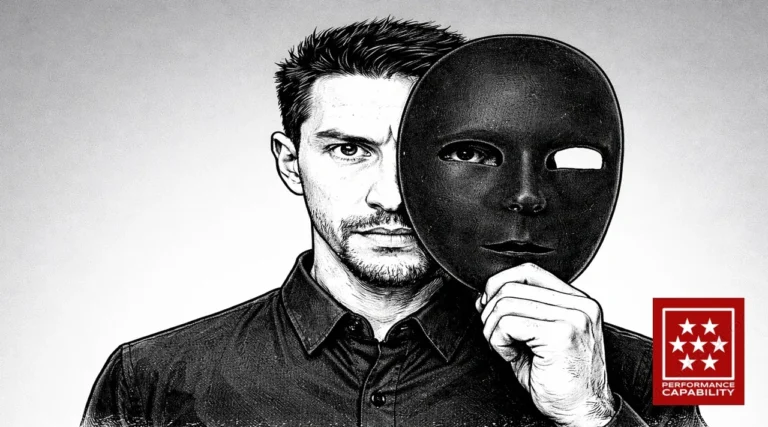
This intricate dance of rebellion and compliance can lead to what I have termed as adverse love—a paradoxical process wherein the child’s pursuit of love and approval comes at the cost of their authentic self. Adverse love arises when the expectations of caregivers create a sense of conditional acceptance, prompting the child to internalize behaviors and values that do not align with their innate tendencies. This process is often subtle, as the child unconsciously adapts to ensure the continuity of security and the emotional bond.
The long-term effects of adverse love can be profound. While the child may achieve a sense of safety and acceptance in the short term, the internalized conflict between authenticity and conformity can manifest as self-doubt, anxiety, or a fractured sense of identity in adulthood. These internalized values and behaviors also extend into personal and professional life, shaping how individuals operate in the world. For most people, this process remains largely unknown outside the realms of child development or adult counseling. Yet it influences performance, decision-making, interpersonal relationships, and emotional regulation across all aspects of life. Often, individuals are unaware of how deeply rooted childhood dynamics inform their adult choices, both consciously and unconsciously.
Towards a Resolution: Nurturing Unconditional Love
To mitigate the effects of adverse love, caregivers can strive to provide unconditional love—an acceptance of the child that is not contingent on specific behaviors or achievements. This requires cultivating an environment where the child feels safe to explore their individuality without fear of rejection. By fostering open communication, validating the child’s emotions, and modeling empathy, caregivers can support the development of a secure, authentic identity.
The dynamics of parent-child relationships are characterized by a delicate balance between the child’s need for love and the caregiver’s expectations. Understanding the subtle interplay of approval, conformity, rebellion, and authenticity can illuminate the path toward healthier, more supportive relationships. By addressing the tensions inherent in adverse love, caregivers can work to nurture bonds that promote both psychological safety, personal growth and positive love for those in their care.
For more on this and related parent/child dynamics see: www.adverselove.com
Hi and thanks for reading this post. I hope you gained some value from it. Please sign up below and you will join my community for updates and live events. You can also find my main business at: www.performancecapability.com
© Ben Benson